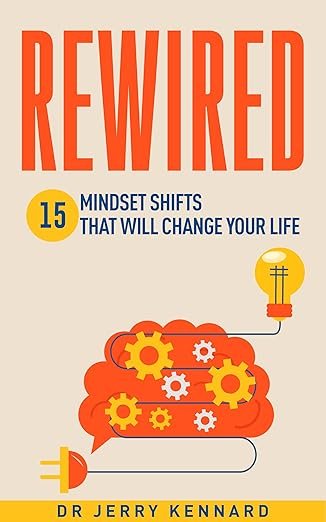
Want to actively shape your future, cultivate meaningful habits, and unlock your fullest potential? Then you're in the right place. Engaging with the right Learning & Personal Development Tools is less about fixing something broken and more about intentionally building a more capable, resilient, and fulfilled you. Think of these tools not as fleeting trends, but as a robust toolkit designed to empower your journey of self-discovery and continuous improvement.
From mastering your emotional landscape to streamlining your daily productivity, these resources offer practical strategies and frameworks. They're about moving beyond good intentions and giving you the tangible means to create real, lasting change in your life and career.
At a Glance: Your Toolkit for Transformation
- What they are: Resources and techniques (frameworks, exercises, apps, courses) designed to foster self-improvement, self-awareness, and skill development.
- Why they matter: They provide structured pathways to enhance various life areas (career, habits, relationships, health, mindset), overcome challenges, and achieve specific goals.
- Key benefits: Increased self-awareness, clearer goal-setting, improved emotional intelligence, better time management, and cultivation of positive, sustainable habits.
- How to choose: Start by identifying your current challenges or growth areas, then experiment with tools that align with your personality and learning style.
- The bigger picture: Personal growth is a unique, lifelong journey. These tools are your companions, adaptable as you evolve.
Why Bother with Personal Development Tools? Your Growth Blueprint
Let's be honest: life doesn't come with an instruction manual. We often navigate complex challenges, ambitious goals, and the quest for greater well-being through trial and error. This is where personal development tools step in – they're your strategic cheat sheet, your personal roadmap. They provide a structured approach to what can otherwise feel like an overwhelming, amorphous pursuit.
These aren't just trendy gadgets or ephemeral self-help fads. Instead, they offer concrete strategies, actionable exercises, and proven frameworks to elevate virtually every aspect of your existence. Whether you're aiming to climb the career ladder, strengthen your relationships, cultivate a more resilient mindset, or simply live with more intention, these tools act as catalysts, guiding you towards insights, helping you break through obstacles, and ultimately, empowering you to craft a life that truly resonates with your deepest aspirations.
The Core Catalysts: Essential Categories of Growth Tools
Before we dive into specific applications, understanding the foundational categories of Learning & Personal Development Tools can help you pinpoint what might serve you best right now. Each category addresses a distinct facet of personal growth, offering unique pathways to self-mastery and success.
Peering Inward: Self-Reflection & Awareness Tools
These tools are your magnifying glass for understanding your inner world. They encourage introspection, helping you unearth your values, beliefs, strengths, and areas ripe for improvement. This foundational self-awareness is critical for authentic personal development.
- What they offer: Journaling prompts, guided reflections, questionnaires, and deliberate quiet time for internal exploration.
- Why they're powerful: They reveal limiting beliefs, clarify priorities, and connect you with your core motivations.
Charting Your Course: Goal-Setting Frameworks
Knowing where you want to go is the first step; these frameworks provide the compass and map. They transform vague aspirations into clear, actionable objectives, making the path to achievement systematic and measurable.
- What they offer: Structured approaches like SMART goals (Specific, Measurable, Attainable, Relevant, Time-bound), action planning templates, and progress monitoring systems.
- Why they're powerful: They break down large goals into manageable steps, fostering clarity and accountability.
Shaping Your Reality: Visualization & Affirmations
Your mind is a powerful architect. These tools leverage its capacity to imagine and believe, fostering a positive mindset and boosting motivation towards your desired outcomes.
- What they offer: Techniques for mentally rehearsing success, creating vivid mental pictures, and using positive self-talk to reinforce beliefs.
- Why they're powerful: They prime your brain for success, reduce self-doubt, and keep your aspirations front and center.
Mastering Your Time & Tasks: Productivity & Management Tools
In a world buzzing with distractions, managing your time and attention is a superpower. These tools help you organize your schedule, prioritize tasks, and maximize your efficiency, ensuring you consistently work towards your goals.
- What they offer: Techniques like the Pomodoro Technique, task management apps, digital calendars, and habit trackers.
- Why they're powerful: They help combat procrastination, reduce overwhelm, and create sustainable routines that support your objectives.
Understanding Your Inner World: Emotional Intelligence Exercises
Emotional intelligence (EQ) is often a stronger predictor of success than IQ. These tools help you develop a deeper understanding of your own emotions and build the capacity to relate to others more effectively.
- What they offer: EQ assessments, empathy-building exercises, communication strategies, and self-regulation techniques.
- Why they're powerful: They enhance self-awareness, improve communication, foster healthier relationships, and aid in navigating conflict.
Expert Guidance: Structured Learning (Courses & Workshops)
Sometimes, you need a guide. These structured learning environments offer expert-led instruction, curated content, and often, a community, to help you master specific skills or delve deep into personal development topics.
- What they offer: Online courses, in-person workshops, seminars, and certifications on topics like communication, leadership, stress management, mindfulness, and more.
- Why they're powerful: They provide in-depth knowledge, practical skills, and often, mentorship from experienced professionals. Platforms like Coursera and edX are excellent for exploring such structured learning paths.
Your Personal Growth Toolkit: 27 Actionable Tools
Now, let's get practical. Here are 27 specific personal development tools, complete with actionable insights to help you integrate them into your daily life. Remember, this isn't a checklist to complete, but a menu from which to choose what resonates most with your current growth edges.
For Self-Reflection & Awareness
- Vision Board:
- What it is: A collage of images, quotes, and goals representing your aspirations.
- Actionable Insight: Gather visuals that genuinely excite you. Arrange them on a physical board or digitally (Pinterest is great for this). Place it where you'll see it daily to reinforce your aspirations and keep your big picture dreams in focus.
- Gratitude Journal:
- What it is: A dedicated space to regularly record things you're grateful for.
- Actionable Insight: Each day, jot down 3-5 specific things you're grateful for. Be precise – instead of "my family," try "my sister's insightful advice today." Focus on moments, people, or experiences. This shifts your perspective towards abundance.
- Morning Routine:
- What it is: A customized sequence of activities to start your day intentionally.
- Actionable Insight: Design a routine that energizes and motivates you. This might include reading uplifting quotes, setting daily intentions, practicing gratitude, a brief workout, or even just enjoying a quiet cup of coffee. Consistency is key here.
- Self-Reflection Exercises:
- What it is: Structured prompts or questions designed to encourage introspection.
- Actionable Insight: Dedicate regular time (e.g., 15 minutes weekly, an hour monthly) to explore your progress towards goals, identify limiting beliefs, or review recent challenges. Ask yourself: "What went well? What didn't? What did I learn?"
- Self-Compassion Practice:
- What it is: Treating yourself with kindness, understanding, and support, especially during challenges.
- Actionable Insight: When facing a setback or feeling inadequate, consciously offer yourself the same comfort and understanding you would give a dear friend. This involves recognizing shared humanity in suffering and validating your own pain without judgment.
- Strengths Assessment:
- What it is: Tools (like CliftonStrengths or VIA Character Strengths) to identify your innate talents and positive traits.
- Actionable Insight: Take an assessment to deeply understand your strengths. Then, actively look for opportunities to utilize these strengths in your personal projects, professional tasks, and daily interactions. Playing to your strengths fuels engagement and success.
For Goal-Setting & Planning
- Goal-Setting Frameworks:
- What it is: Systematic approaches for defining and achieving objectives.
- Actionable Insight: Adopt the SMART approach: ensure your goals are Specific, Measurable, Achievable, Relevant, and Time-bound. Break down large goals into smaller, manageable steps, each with its own deadline. Tools like Trello or Google Keep can help organize these steps.
For Mindset & Emotional Well-being
- Mindfulness and Meditation:
- What it is: Practices to focus on the present moment, observe thoughts without judgment, and cultivate inner calm.
- Actionable Insight: Start with just 5-10 minutes daily. Use guided meditations (apps like Calm or Headspace are excellent) or simply focus on your breath. The goal isn't to stop thinking, but to notice thoughts without getting swept away by them.
- Visualization Exercises:
- What it is: Creating detailed mental pictures of desired outcomes.
- Actionable Insight: Find a quiet space. Close your eyes and vividly imagine your goal already achieved. Engage all your senses: What do you see? Hear? Feel? Taste? Smell? What emotions are present? This powerful mental rehearsal reinforces motivation and belief.
- Emotional Regulation Techniques:
- What it is: Strategies for managing and expressing emotions constructively.
- Actionable Insight: Experiment with techniques like deep breathing when overwhelmed, journaling to process feelings, or seeking therapy for persistent challenges. Learning to pause before reacting is a cornerstone of emotional regulation.
- Health and Wellness Practices:
- What it is: Prioritizing physical, mental, and emotional well-being through daily habits.
- Actionable Insight: Make regular exercise, nutritious eating, quality sleep (7-9 hours), stress reduction (hobbies, nature), and routine check-ups non-negotiable. Your body is the vessel for your growth.
For Productivity & Time Management
- Time Management Techniques:
- What it is: Methods and tools for organizing your time and tasks efficiently.
- Actionable Insight: Experiment with productivity apps (like Pomofocus for the Pomodoro Technique, or Toggl for time tracking), digital calendars, or simple to-do lists. Allocate specific blocks of time for tasks, minimize distractions (turn off notifications!), and establish consistent routines. You might even find our random stuff generator useful for breaking up monotonous tasks or finding fresh ideas for small breaks!
For Learning & Skill Development
- Reading Personal Development Books:
- What it is: Engaging with expert insights and proven strategies through literature.
- Actionable Insight: Explore different genres (mindset, habits, leadership, finance). Don't just read passively; take notes, reflect on how the ideas apply to your life, and commit to implementing at least one new strategy from each book.
- Communication Skills Training:
- What it is: Structured learning to improve how you convey and receive messages.
- Actionable Insight: Participate in workshops or online courses focusing on active listening, clear and concise speaking, and understanding non-verbal cues. Practice these skills in everyday conversations.
- Public Speaking Training:
- What it is: Programs designed to build confidence and refine your ability to speak effectively to an audience.
- Actionable Insight: Enroll in local courses (like Toastmasters International) or online programs. Start by practicing in front of a mirror or small, supportive groups to gradually build your comfort and expertise.
- Personal Finance Management:
- What it is: Educating yourself on budgeting, saving, investing, and debt management.
- Actionable Insight: Track your expenses diligently. Set clear financial goals (e.g., emergency fund, down payment). Educate yourself on basic investing principles and automate your savings to ensure consistency.
- Conflict Resolution Skills:
- What it is: Developing the ability to navigate disagreements constructively.
- Actionable Insight: Practice active listening to truly understand the other person's perspective. Develop empathy, look for common ground, and focus on respectful, open-minded communication rather than "winning" an argument.
- Problem-Solving Techniques:
- What it is: Adopting structured frameworks to analyze and address challenges.
- Actionable Insight: Experiment with frameworks like the "5 Whys" (asking why five times to get to a root cause), SWOT analysis (Strengths, Weaknesses, Opportunities, Threats), or brainstorming. Break problems down, consider multiple perspectives, and generate diverse solutions before selecting the best path forward.
- Assertiveness Training:
- What it is: Learning to express your thoughts, needs, and boundaries clearly and respectfully.
- Actionable Insight: Practice using "I statements" (e.g., "I feel frustrated when..." instead of "You always make me frustrated"). Role-play difficult conversations and focus on being direct without being aggressive or passive.
- Lifelong Learning:
- What it is: Cultivating a growth mindset and continuously seeking new knowledge and skills.
- Actionable Insight: Make learning a daily habit. Explore online resources, enroll in courses or webinars, listen to educational podcasts, and attend workshops. Embrace curiosity and view every experience as an opportunity to learn something new.
For Social & Professional Growth
- Emotional Intelligence Assessments:
- What it is: Tests or self-inventories to gauge your understanding and management of emotions.
- Actionable Insight: Take an online assessment (many reputable ones are available, some free) to understand your emotional strengths and areas for growth. Use the results to target specific behaviors or skills for improvement, such as empathy or self-regulation.
- Networking and Relationship-Building:
- What it is: Actively connecting with individuals for mutual support, learning, and opportunities.
- Actionable Insight: Attend industry events (online or in-person), join professional organizations, or engage in online communities relevant to your interests. Focus on building genuine connections and offering value, not just asking for favors.
- Feedback-Seeking:
- What it is: Proactively asking trusted individuals for constructive input on your performance or behavior.
- Actionable Insight: Identify specific areas where you want to improve (e.g., "How could I have communicated that project update more clearly?"). Approach mentors, colleagues, or supervisors, explain your growth goal, and listen openly to their insights.
- Personal Branding:
- What it is: Crafting a compelling narrative and consistent public image that aligns with your values, strengths, and unique qualities.
- Actionable Insight: Define your core message and what makes you unique. Ensure your online presence (LinkedIn, personal website, social media) consistently reflects this brand. Network intentionally and present yourself authentically.
- Accountability Partnerships:
- What it is: Collaborating with a partner or group to regularly share goals, progress, and challenges.
- Actionable Insight: Find a trusted friend, mentor, or join a masterminds group. Schedule regular check-ins to discuss your commitments, celebrate successes, and troubleshoot setbacks. Knowing someone expects an update can be a powerful motivator.
Holistic Wellness
- Stress Management Techniques:
- What it is: Strategies to reduce and cope with stress effectively.
- Actionable Insight: Experiment with a variety of techniques: yoga, deep breathing exercises, progressive muscle relaxation, engaging in creative hobbies, or spending time in nature. Identify what works for you and incorporate it regularly into your routine.
- Self-Care Practices:
- What it is: A routine encompassing activities that promote physical, mental, and emotional well-being.
- Actionable Insight: Create a personalized self-care menu. This could include exercise, nutritious meals, sufficient sleep, regular relaxation time, pursuing hobbies, or connecting with loved ones. It's about proactively recharging, not just reacting to burnout.
Beyond the Basics: Specialized Digital & Analog Tools
While the concepts above are universal, a host of specific products and platforms can greatly enhance your personal development journey. These tools often streamline processes, provide structure, or offer guided experiences.
Goal Setting Tools
- Trello: Excellent for visual project management and breaking down goals into tasks.
- Google Keep: Simple, versatile for quick notes, checklists, and reminders linked to goals.
Habit Trackers
- Habitica: Gamified habit builder, turning your tasks into a role-playing game.
- StickK: Uses commitment contracts and stakes to motivate habit adherence.
Mindfulness & Meditation
- Calm: Offers guided meditations, sleep stories, and breathing programs.
- Headspace: Provides guided meditations and mindfulness exercises for various situations.
Mind Mapping Tools
- Coggle: A collaborative mind-mapping tool to visualize ideas and connections.
- MindMeister: Helps brainstorm, plan, and organize thoughts visually.
Time Management Tools
- Pomofocus: A web-based Pomodoro timer to focus work sessions.
- Toggl: Simple time tracking across projects and tasks to analyze where your time goes.
Self-Assessment Tools
- StrengthsFinder (CliftonStrengths): Identifies your top five talent themes.
- 16Personalities: Based on Jungian archetypes and the MBTI, offers insights into personality preferences.
Journaling Tools
- Day One: A beautiful, feature-rich digital journaling app for various platforms.
- Penzu: Secure online diary and personal journal with customizable features.
Online Learning Platforms
- Coursera: Offers courses, specializations, and degrees from top universities and companies.
- edX: Provides high-quality courses from the world's best universities and institutions.
Choosing Your Tools: A Practical Guide
With so many Learning & Personal Development Tools available, it's easy to feel overwhelmed. Here's a simple, practical guide to help you choose what's right for you and actually stick with it.
- Identify Your Current Growth Edge: What's the one area causing you the most friction or where you feel the greatest desire for change? Is it productivity, emotional regulation, a specific skill, or clarity on your goals? Start there. Don't try to implement everything at once.
- Start Small, Experiment Often: Pick one or two tools that directly address your identified growth edge. Give them a fair try (e.g., 2-4 weeks). If it feels too rigid or doesn't click, don't force it. Move on and try something else. Personal development is a process of discovery.
- Prioritize Consistency Over Perfection: A tool used imperfectly but consistently will yield far better results than a perfectly executed tool that's quickly abandoned. Aim for small, regular interactions.
- Listen to Your Instincts & Energy: Some tools might sound great in theory but drain your energy in practice. Others might feel intuitive and energizing. Pay attention to what genuinely helps you feel more focused, calm, or motivated.
- Beware of the "Tool Collector" Trap: It's tempting to download every app or buy every book. Resist. A single, well-chosen tool, deeply integrated, is more powerful than a dozen half-used ones.
- Seek Accountability: Whether it's a friend, a coach, or a community, having someone to share your progress with can dramatically increase your commitment and provide invaluable support.
Common Questions About Personal Development Tools
Are these tools really necessary? Can't I just grow naturally?
While natural growth happens, tools offer a shortcut and a structure. They accelerate your progress by providing proven strategies and frameworks. They turn vague desires into actionable steps, helping you overcome unconscious biases and habits that might otherwise keep you stuck. Think of it as using a map versus wandering aimlessly.
How do I stick with these tools when life gets busy?
The key is integration, not addition. Start with micro-habits – 5 minutes of journaling, 2 minutes of meditation, one SMART goal for the week. Link new practices to existing routines (e.g., gratitude journaling with your morning coffee). Schedule dedicated, non-negotiable time, even if it's brief. Remember, consistency in small doses is more effective than sporadic grand gestures.
Can I combine different personal development tools?
Absolutely! In fact, many tools complement each other beautifully. For example, you might use a goal-setting framework to define your objectives, a habit tracker to build consistent actions towards them, and a mindfulness practice to stay focused and resilient through the process. The synergy between different tools can create a more holistic and robust personal growth system.
What if a tool isn't working for me?
It's perfectly normal for some tools not to resonate. Personal development is highly individual. If a tool feels like a chore, isn't yielding results, or doesn't align with your personality, don't be afraid to let it go. Reflect on why it didn't work (e.g., too complex, not relevant to your current challenge) and use that insight to inform your next choice. The goal is progress, not adherence to a specific method.
Your Lifelong Journey: Taking the Next Step
Embracing Learning & Personal Development Tools isn't about reaching a finish line; it's about committing to a lifelong journey of evolution. The most successful people aren't those who have all the answers, but those who are perpetually curious, adaptable, and willing to invest in their own growth.
Start today. Pick just one tool from this comprehensive guide that sparks your interest or addresses a clear need. Commit to trying it for a week or two. Observe how you feel, what shifts, and what insights emerge. Your personal development journey is uniquely yours—equipped with the right tools, you're not just hoping for growth; you're actively creating it.